


If you’re an aspiring novelist, content marketer, or graduate student, taking a break and diving into the immersive worlds of single-player RPGs might be just what you need. These games offer deep narratives, complex characters, and expansive worlds that can inspire your creative juices. Plus, they’re a fantastic way to unwind. Here’s a list of the top single-player RPGs you should consider playing right now. Check out Situs AGENDADU to know more
Single player RPGs, or role-playing games, are perfect for those who want to dive into a rich, story-driven experience without the distractions of online multiplayer modes. Whether you’re into epic fantasy realms or gritty post-apocalyptic settings, RPGs offer a wide array of worlds and stories to explore.
A Personalized Gaming Experience
Single-player RPGs allow you to tailor your adventure according to your preferences. Unlike multiplayer games, there’s no need to keep up with other players or adhere to a collective strategy. This freedom lets you explore at your own pace, making choices that are meaningful to you. Whether you want to spend hours crafting the perfect character or diving into the main storyline, the game adapts to your style.
Unmatched Story Depth
These games excel in providing complex plots with multiple layers. As you progress, you’ll uncover subplots and backstories that add depth to the main narrative. This richness in storytelling can serve as a great source of inspiration for writers, offering insights into narrative construction and thematic development. The ability to influence the story through your decisions can also demonstrate the impact of choice in storytelling.
World-Building Masterclass
The worlds within RPGs are often vast and detailed, with their own histories, cultures, and ecosystems. As a player, you get to explore these intricacies and see how they interact with the game’s narrative. This level of detail provides an excellent example of world-building, which is a crucial element in storytelling. Observing how these worlds are constructed can give you a better understanding of creating believable and engaging settings in your own writing.
Immersive Storytelling
RPGs are renowned for their storytelling prowess. They offer complex plots and well-developed characters, often allowing players to make choices that influence the story’s outcome. This interactive storytelling can provide valuable insights into narrative structures and character development, which are crucial skills for any writer.
Interactive Narratives
One of the key features of RPG storytelling is its interactivity. Players are not just passive recipients of the story; they are active participants. Your choices can lead to different outcomes, providing a dynamic narrative experience. This interactive element can teach writers about the importance of reader engagement and the power of choice in driving a story forward.
Multi-faceted Characters
RPGs often feature characters with rich backstories and complex motivations. As you engage with these characters, you’ll witness their growth and development. This mirrors the process of creating fictional characters in writing, where depth and evolution are essential. By observing these character arcs, writers can gain insights into crafting realistic and relatable characters.
Emotional Engagement
The emotional depth of RPGs can be profoundly moving. From moments of triumph to heart-wrenching decisions, these games evoke a wide range of emotions. This emotional engagement is a powerful tool in storytelling, demonstrating how to connect with an audience on a deeper level. By experiencing these emotional journeys, writers can learn how to evoke similar responses in their readers.
Character Development
In RPGs, character development is key. You start with a basic character and, through gameplay, develop their skills, abilities, and relationships. This mirrors the process of developing fictional characters in writing, where depth and evolution are essential.
Evolution of Skills
As you progress in an RPG, your character’s abilities evolve. This growth can be a metaphor for personal development, reflecting the journey of learning and mastery. Writers can draw parallels between this growth and the development of characters in their stories, emphasizing the importance of character arcs in storytelling.
Building Relationships
RPGs often feature complex relationship dynamics. Your interactions with other characters can influence the story and your character’s development. This aspect of gameplay highlights the significance of relationships in narrative development and provides insights into writing realistic and engaging character interactions.
Moral Complexity
Many RPGs present players with moral dilemmas, challenging them to make difficult choices. These decisions can affect the game’s outcome and your character’s development. This moral complexity can inspire writers to explore themes of ethics and morality in their own work, adding depth and nuance to their stories.
Top Picks for Fantasy RPGs
Let’s dive into some top fantasy RPGs that will captivate your imagination.
1. The Witcher 3: Wild Hunt
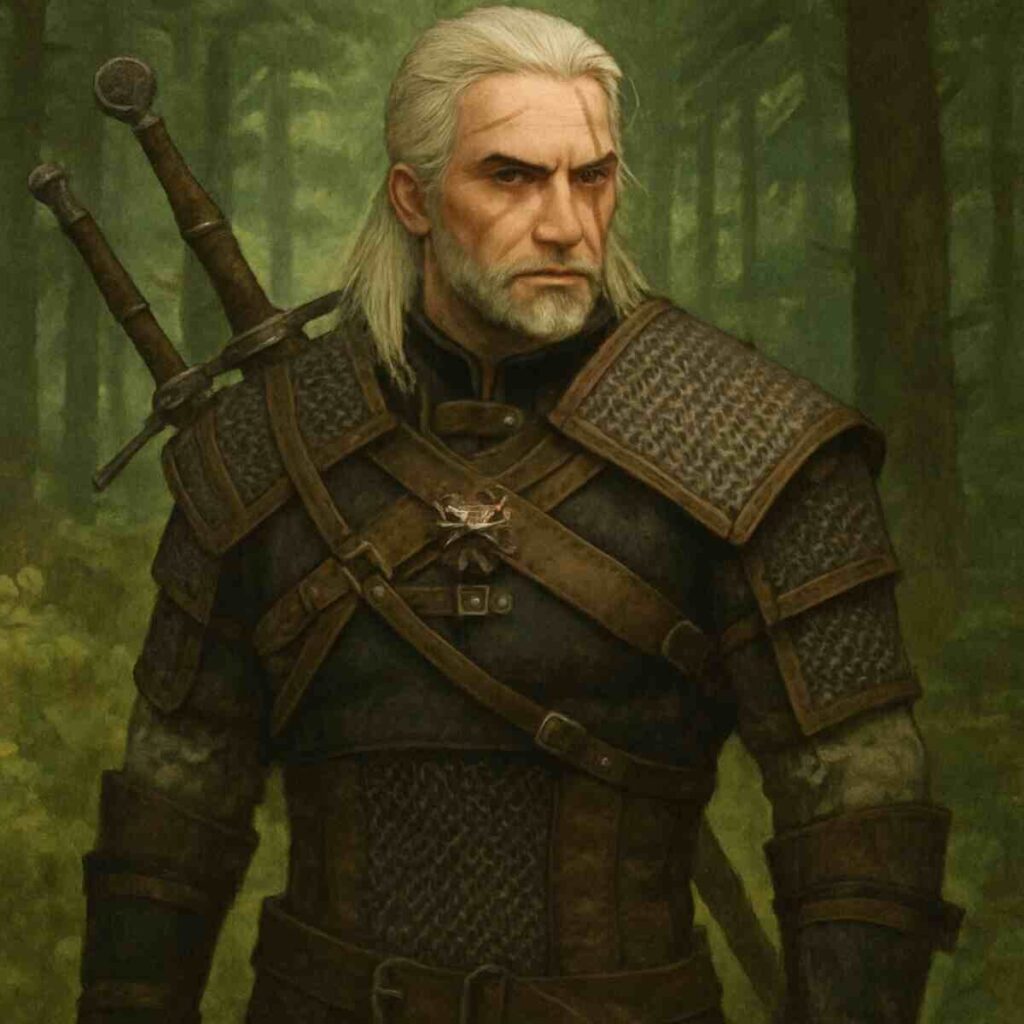
Set in a vast open world, “The Witcher 3: Wild Hunt” offers a gripping narrative and a beautifully crafted universe. You’ll follow Geralt of Rivia, a monster hunter, on his quest to find his adopted daughter. The game’s intricate plot, moral complexities, and rich character interactions make it a must-play for anyone interested in storytelling.
Rich Lore and World
The Witcher 3 is renowned for its intricate lore and detailed world-building. Every location you visit has its own history, culture, and secrets waiting to be uncovered. This depth offers writers a wealth of inspiration for creating their own complex settings and histories.
Moral Choices and Consequences
The game is filled with moral choices that impact the story and world around you. These decisions challenge players to think critically about their actions, providing insight into the complexity of human nature and the consequences of our choices. Writers can learn from this to add moral depth to their narratives.
Complex Characters
Geralt and his companions are multi-dimensional characters with rich backstories. Their interactions and development throughout the game offer a masterclass in character crafting, showcasing how to create believable and engaging characters with depth and nuance.
2. Skyrim
“Skyrim” is a classic in the fantasy RPG genre. Its open-world design allows players to explore at their own pace and make choices that affect the world around them. With its rich lore and endless quests, “Skyrim” is perfect for those who love crafting their own stories within a larger narrative.
Open-World Exploration
Skyrim’s open world is vast and filled with opportunities for exploration. This freedom allows players to create their own paths and stories, providing a sense of agency that can inspire writers to think creatively about plot development and narrative structure.
Endless Possibilities
The game offers a multitude of quests and side stories, each contributing to the richness of the world. This diversity of narratives demonstrates how multiple storylines can coexist and intertwine, offering a wealth of inspiration for writers looking to create layered and complex plots.
Player-Centric Storytelling
Skyrim empowers players to shape the story through their choices and actions. This player-centric approach can teach writers about the importance of audience engagement and the impact of giving readers a sense of agency in a narrative.
3. Dragon Age: Inquisition
In “Dragon Age: Inquisition,” you’ll lead a team of warriors on a quest to save the world from a mysterious threat. The game’s narrative is shaped by your decisions, providing a dynamic storytelling experience. Its deep character development and intricate world-building are excellent examples of how to weave complex narratives.
Team Dynamics
The game emphasizes the importance of team dynamics and collaboration. Each character in your team has a unique personality and backstory, affecting how they interact with each other and the player. This dynamic offers insights into writing ensemble casts and managing multiple character arcs.
Narrative Complexity
Dragon Age: Inquisition features a layered narrative with political intrigue, personal conflicts, and a larger world-threatening plot. This complexity provides a blueprint for writers looking to create multi-faceted stories with interwoven themes and subplots.
Emotional Depth
The game explores themes of loyalty, sacrifice, and redemption, offering emotionally charged moments that resonate with players. This emotional depth can inspire writers to infuse their stories with similar themes, creating narratives that connect with readers on a deeper level.
Exploring Different Worlds
Not all RPGs are set in fantasy worlds. Let’s look at some that take a different approach but are equally engaging.
4. Fallout 4
“Fallout 4” transports you to a post-apocalyptic world where you must navigate the ruins of civilization. The game’s open-world exploration and decision-based narrative offer a unique take on storytelling. The moral dilemmas you face can inspire new ways to think about conflict and resolution in your own writing.
Post-Apocalyptic Setting
The game’s setting is a compelling example of how to create a believable and immersive post-apocalyptic world. The attention to detail in the environment and the history of the world offer inspiration for writers looking to craft similar settings.
Survival and Resource Management
Fallout 4 incorporates elements of survival and resource management, adding layers of complexity to the gameplay. This aspect can inspire writers to explore themes of scarcity, survival, and resilience in their stories.
Ethical Dilemmas
The game presents players with ethical dilemmas that challenge their moral compass. These decisions impact the game’s outcome and can inspire writers to incorporate similar moral complexities into their narratives, adding depth and tension to their stories.
5. Cyberpunk 2077
Set in a dystopian future, “Cyberpunk 2077” offers a richly detailed world filled with intriguing characters and a story that explores themes of technology and humanity. The game’s narrative complexity and immersive environment are perfect for those interested in futuristic storytelling.
Futuristic World-Building
Cyberpunk 2077’s setting is a masterclass in futuristic world-building, with its neon-lit cityscapes and advanced technology. This attention to detail offers inspiration for writers looking to create their own dystopian or sci-fi worlds.
Themes of Technology and Humanity
The game’s narrative explores the intersection of technology and humanity, raising questions about identity, ethics, and the future of society. These themes can inspire writers to delve into similar topics in their own work, creating thought-provoking and relevant narratives.
Character-Driven Story
The game features a diverse cast of characters, each with their own motivations and backstories. This character-driven approach to storytelling can teach writers about the importance of character development and the impact of personal stories on a larger narrative.
6. Red Dead Redemption 2
For those who enjoy a Western setting, “Red Dead Redemption 2” provides an expansive open world with a compelling narrative. The game’s focus on character development and moral choices offers valuable insights into crafting realistic and engaging characters.
Immersive Western Setting
The game captures the essence of the Wild West, with its detailed landscapes and authentic atmosphere. This setting offers inspiration for writers looking to create their own historical or Western-themed stories, emphasizing the importance of setting in storytelling.
Moral Complexity and Choices
Red Dead Redemption 2 presents players with moral choices that affect the story and characters’ development. This complexity can inspire writers to incorporate similar ethical dilemmas into their narratives, adding depth and tension to their stories.
Character Depth and Growth
The game’s protagonist, Arthur Morgan, undergoes significant growth throughout the story. This character depth and evolution offer valuable insights into crafting compelling character arcs, emphasizing the importance of character development in storytelling.
How RPGs Can Enhance Your Writing Skills
Playing RPGs isn’t just about entertainment; it can also enhance your writing skills in several ways.
Inspiration for Plot and Setting
The diverse worlds and intricate plots found in RPGs can serve as inspiration for your own stories. They offer examples of world-building and plot development that can be adapted to any writing project.
World-Building Techniques
RPGs are a treasure trove of world-building techniques. From detailed maps to cultural lore, these games provide a blueprint for creating immersive and believable worlds. Writers can learn from these examples to enhance their own world-building skills, creating settings that captivate and engage readers.
Plot Development Strategies
The complex plots in RPGs offer insights into narrative structure and pacing. By analyzing how these stories unfold, writers can learn about building tension, creating subplots, and weaving multiple storylines together seamlessly. These strategies can be adapted to any writing project, enhancing the depth and complexity of your narratives.
Creative Storytelling Approaches
RPGs often employ creative storytelling techniques, such as non-linear narratives and multiple endings. These approaches can inspire writers to experiment with their own storytelling, pushing the boundaries of traditional narrative forms and creating innovative and engaging stories.
Understanding Character Arcs
RPGs often feature complex characters with detailed backstories and evolving relationships. Observing these character arcs can help you understand how to create compelling, multi-dimensional characters in your writing.
Character Backstory Development
The detailed backstories of RPG characters offer a wealth of inspiration for writers. By examining these backstories, writers can learn how to create rich and complex characters with believable motivations and histories, adding depth and nuance to their narratives.
Relationship Dynamics
The relationships between characters in RPGs are often complex and dynamic. These interactions provide valuable insights into writing realistic and engaging character relationships, demonstrating the importance of character dynamics in driving a story forward.
Growth and Transformation
RPGs often depict characters undergoing significant growth and transformation. By observing these character arcs, writers can learn how to craft compelling and believable character journeys, emphasizing the importance of change and development in storytelling.
Dialogue and Interaction
The dialogue in RPGs is often rich and varied, providing excellent examples of how to write engaging and realistic conversations. Pay attention to how characters interact and the choices that influence their relationships.
Crafting Realistic Dialogue
RPGs offer numerous examples of well-crafted dialogue that captures the essence of a character and advances the plot. Writers can learn from these examples to create realistic and engaging conversations in their own work, enhancing the authenticity and depth of their narratives.
Interactive Conversations
The interactive nature of RPG dialogue allows players to influence character interactions and relationships. This interactivity can inspire writers to create dynamic and engaging dialogue that reflects the complexities of human interaction and the impact of choice.
Character Voice and Tone
The diverse cast of characters in RPGs often features distinct voices and tones. By analyzing these dialogues, writers can learn how to create unique and authentic character voices, enhancing the individuality and depth of their characters.
Getting Started with RPGs
If you’re new to RPGs, here are a few tips to get you started:
- Choose a Game That Interests You: Start with a game that matches your interests, whether it’s fantasy, sci-fi, or historical.
- Take Your Time: RPGs are designed to be savored. Take your time exploring the world and engaging with the story.
- Experiment with Choices: Don’t be afraid to make different choices and see how they affect the story. This can provide valuable insights into narrative structure and decision-making.
Selecting the Right Game
Choosing the right RPG is crucial to your experience. Consider your interests and preferences when selecting a game. Whether you’re drawn to epic fantasy, gritty sci-fi, or historical adventures, there’s an RPG out there for you. Research different games, read reviews, and watch gameplay videos to find a game that resonates with you.
Embracing the Journey
RPGs are designed to be immersive experiences that unfold over time. Don’t rush through the game; take the time to explore and engage with the story. Embrace the journey and allow yourself to become fully immersed in the world. This approach will enhance your experience and provide valuable insights into storytelling and narrative development.
Experimenting with Choices
RPGs often feature choices that influence the story and character development. Don’t be afraid to experiment with these choices and explore different outcomes. This experimentation can provide valuable insights into narrative structure and decision-making, enhancing your understanding of storytelling and character development.
Conclusion
Single player RPGs are more than just games; they’re an art form that can enhance your creativity and writing skills. By immersing yourself in these rich, narrative-driven experiences, you can gain new insights into storytelling, character development, and world-building. So, pick up a controller, dive into a new world, and let your imagination run wild! Whether you’re looking for inspiration or just a fun way to unwind, these games are sure to deliver. Happy gaming!
